Thoughtful guidance on oral health, cosmetic dentistry, and treatment options.
Dental Cleanings in Coconut Creek: Healthy Gums, Healthy Smile
Dental Cleanings Are About More Than Clean Teeth
Most people think of a dental cleaning as something that removes plaque, tartar and stains and leaves their teeth feeling fresh. While that's certainly part of it, professional dental hygiene plays a much bigger role in protecting your oral health.
At Coconut Creek Cosmetic & Implant Dentistry, our goal isn't simply to “clean your teeth.” We evaluate the health of your teeth and gums and determine what type of hygiene care is appropriate for you.
For a patient with healthy gums, routine preventive cleanings combined with good home care may be all that's needed. But when there are signs of gum disease, simply continuing with routine cleanings may not adequately address the underlying problem.
What Causes Gum Disease?
Plaque is a sticky bacterial biofilm that continually forms on the teeth. Daily brushing and cleaning between the teeth help remove it, but areas that are consistently missed can allow plaque to accumulate.
Over time, plaque can harden into tartar, also called calculus. Unlike soft plaque, calculus cannot be effectively removed with normal brushing and flossing at home and requires professional removal.
This buildup can contribute to inflammation of the gums.
Early gum inflammation is known as gingivitis. Common signs can include:
- Red or swollen gums
- Bleeding when brushing or flossing
- Tender gums
- Persistent bad breath
One of the problems with gum disease is that it may progress without significant pain. A patient can feel like everything is fine while changes are occurring beneath the gumline.
Gingivitis vs. Periodontal Disease
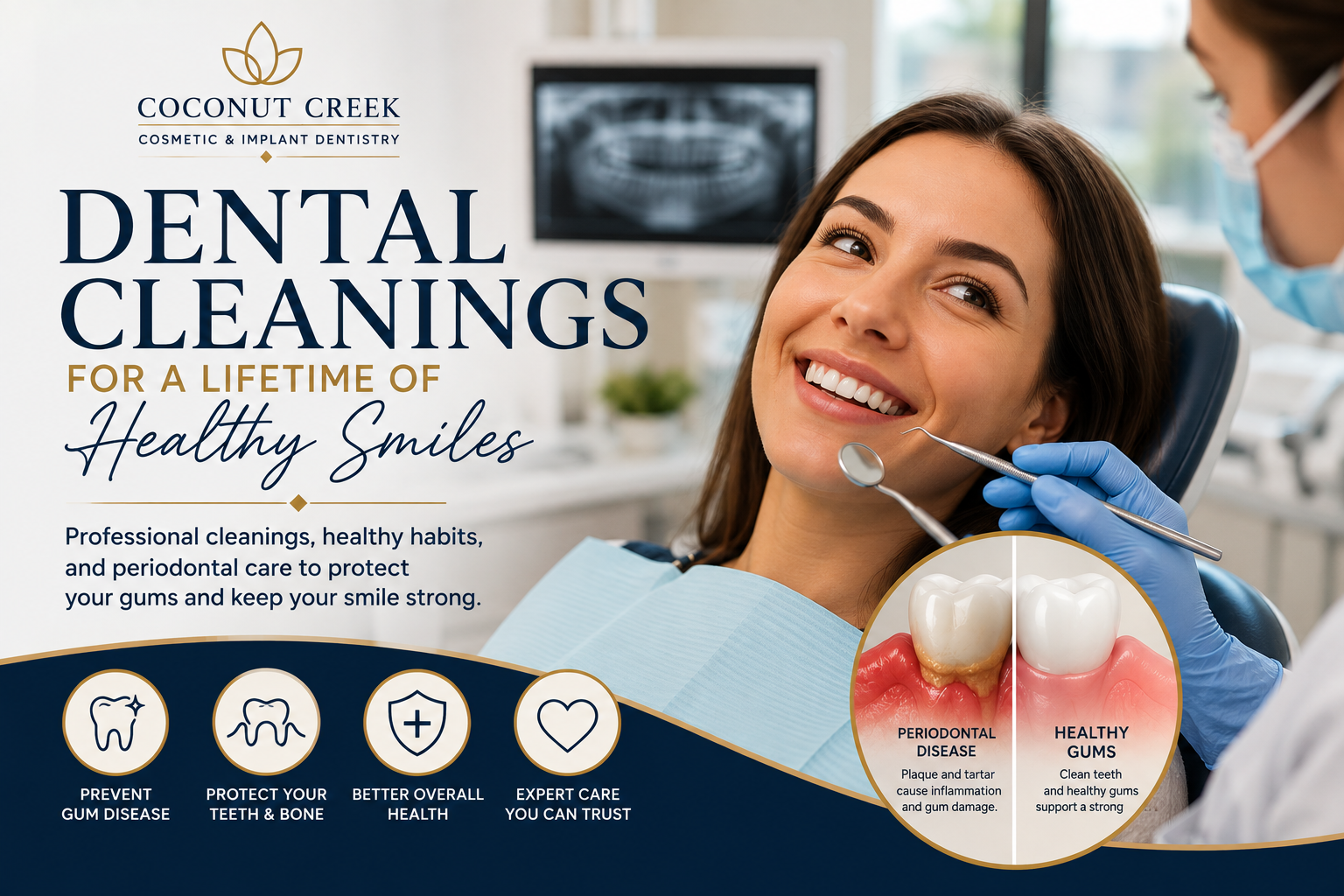
Gingivitis is inflammation limited primarily to the gums and can often be reversed when plaque and calculus are controlled through professional care and consistent home hygiene.
Periodontitis, or periodontal disease, is more serious.
As periodontal disease progresses, the supporting tissues and bone around the teeth can become damaged. Deeper spaces, called periodontal pockets, can develop between the teeth and gums, making these areas increasingly difficult to keep clean at home.
Without appropriate treatment and maintenance, periodontal disease can eventually contribute to:
- Gum recession
- Bone loss around the teeth
- Tooth mobility
- Changes in the bite
- Tooth loss
This is why we evaluate gum health, not simply whether the teeth appear clean.
Ready to Plan Your Visit?
New to our office and without dental insurance? Ask about our $70 exam and X-rays offer. Our team can help you plan appropriate next steps for preventive, cosmetic, restorative, or implant care.
Not Every Dental Cleaning Is the Same
The type of cleaning we recommend is based on the health of your gums and the supporting structures around your teeth — not simply how long it has been since your last cleaning.
Routine Preventive Cleaning
A routine cleaning, often called a prophylaxis, is generally appropriate for patients who do not have active periodontal disease.
During these visits, plaque and calculus are professionally removed, the teeth are polished, and the health of the teeth and gums can be monitored.
Regular professional cleanings are important, but they work best alongside consistent care at home.
When Is a “Deep Cleaning” Needed?
If periodontal disease is present, a routine cleaning may not be enough.
Scaling and root planing — commonly called a deep cleaning — involves cleaning below the gumline to remove plaque and calculus from areas affected by periodontal disease.
Whether this treatment is appropriate depends on the individual patient. Periodontal measurements, bleeding, inflammation, calculus buildup, bone levels and other clinical findings can all contribute to the diagnosis and treatment plan.
The goal isn't simply to make the teeth feel cleaner. It is to control the bacterial deposits and inflammation associated with periodontal disease and create an environment that is easier to maintain.
What Is Periodontal Maintenance?
After periodontal disease has been treated, some patients require periodontal maintenance rather than returning to routine preventive cleanings.
These maintenance visits are designed for patients with a history of periodontal disease and focus on controlling the condition over time.
The recommended frequency is individualized. Some patients may need to be seen more frequently than the traditional twice-a-year cleaning schedule depending on their periodontal health and risk factors.
Questions About Specialist Care
If your gum care needs extend beyond routine cleaning, ask Dr. Emmy whether a specialist evaluation may be appropriate. Your treatment plan should identify who will provide each part of your care and where it will take place.
What You Do at Home Matters Just as Much
Professional treatment is only one part of maintaining healthy gums.
Plaque begins accumulating again after a professional cleaning, which means your daily routine plays an important role between visits.
Good home care generally includes:
- Brushing thoroughly twice a day with fluoride toothpaste
- Cleaning between the teeth daily with floss or another recommended interdental cleaner
- Paying particular attention to the gumline
- Following any individualized recommendations from your dental team
- Keeping your recommended hygiene and periodontal maintenance appointments
For patients with periodontal disease, we may recommend additional home-care techniques or products based on the areas that are difficult to keep clean.
The goal is not simply to treat periodontal disease once. It is to help control it over the long term and preserve your natural teeth whenever possible.
Healthy Gums Are the Foundation of a Healthy Smile
Cosmetic dentistry, crowns, implants and other restorative treatments may get more attention, but healthy gums provide the foundation for virtually everything we do in dentistry.
That's why periodontal health is an important part of comprehensive dental care at Coconut Creek Cosmetic & Implant Dentistry.
Whether you need a routine cleaning, haven't been to the dentist for several years, or have previously been diagnosed with periodontal disease, the first step is determining the current health of your teeth and gums.
From there, we can recommend the level of care appropriate for you rather than taking a one-size-fits-all approach.
Explore our dental exams and X-rays and meet Dr. Emmy Estenoz at our Coconut Creek office.
How often should I have my teeth cleaned?
Many patients benefit from routine dental visits approximately every six months, but there is no single schedule that's appropriate for everyone. Patients with periodontal disease or other risk factors may require more frequent periodontal maintenance. We recommend a schedule based on the health of your teeth and gums.
Do I really need a deep cleaning?
A deep cleaning, or scaling and root planing, is recommended when clinical findings indicate periodontal disease that cannot be adequately managed with a routine preventive cleaning. Periodontal pocket depths, bleeding, inflammation, calculus below the gumline and bone levels are among the factors that may be evaluated before recommending treatment.
Why do my gums bleed when I brush or floss?
Bleeding gums are commonly associated with inflammation and should not simply be ignored. Plaque accumulation and gingivitis are common causes, although other factors can contribute. If your gums regularly bleed, a dental evaluation can help determine why.
Can gum disease be reversed?
Gingivitis can often be reversed with improved plaque control, professional care and consistent home hygiene. Periodontitis involves loss of the supporting structures around the teeth and is generally managed rather than simply “reversed.” Early diagnosis and ongoing maintenance are important for limiting further progression.
What's the difference between a regular cleaning and periodontal maintenance?
A routine preventive cleaning is generally intended for patients without active periodontal disease. Periodontal maintenance is ongoing care for patients who have been treated for periodontal disease. It typically includes closer attention to periodontal pockets and areas below the gumline and may be recommended more frequently.
Can I have gum disease without knowing it?
Yes. Periodontal disease does not always cause significant pain, particularly in its earlier stages. That's one reason periodontal measurements, dental examinations and appropriate X-rays are important even when your mouth feels normal.
What happens if periodontal disease becomes advanced?
Advanced periodontal disease can lead to progressive loss of the bone and tissues supporting the teeth. In more complex cases, we may recommend evaluation and treatment with our periodontist to help manage the condition and protect the teeth whenever possible.
Does brushing and flossing replace professional cleanings?
No. Excellent home care is extremely important, but hardened calculus cannot be effectively removed with normal brushing and flossing. Professional care and daily home hygiene work together to maintain oral health.
Contact Us
Location
4825 Coconut Creek PKWY, Coconut Creek, FL 33063
Phone Number
(954) 642-2203Business Hours
Monday - Friday 9AM - 5PM

Thank you! Your appointment request has been received. Our team will contact you to confirm availability.
Oops! Something went wrong while submitting the form.